Svetovid
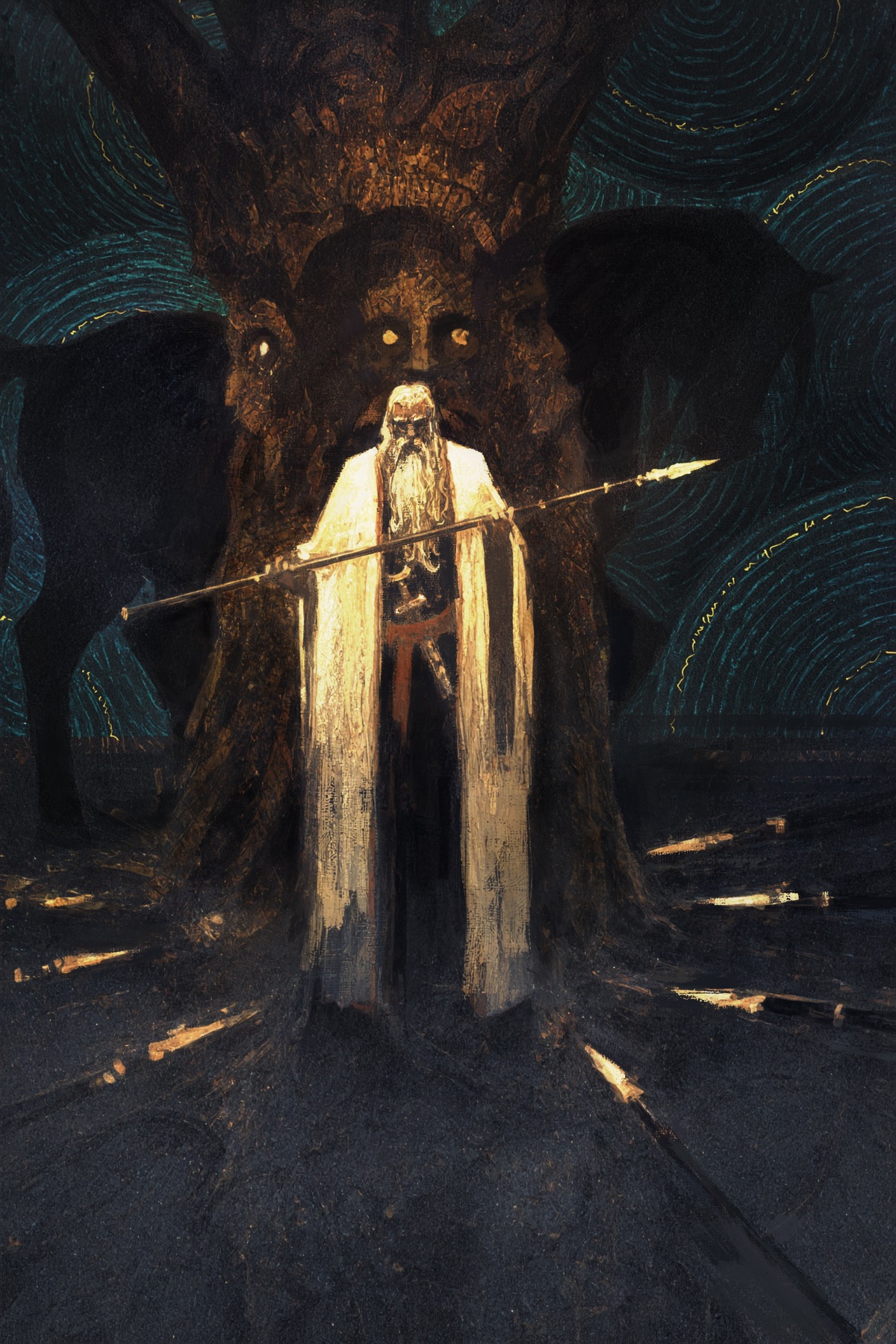
The four-faced god of Arkona on Rügen, lord of war and harvest. His statue held a horn of mead from which priests divined the coming year’s crops.
Universe
Pagania is the world of the turn of Antiquity and the Early Middle Ages: the Migration Period, the fall of Rome and the birth of the Europe of nations. There are no spells and no imaginary beasts here. There are the gods people believed in, the tribes that fought, and the places you can still visit.
Paganism
Every European nation taking part in the Migration Period developed its own system of power and belief, its own material culture and language. It is thanks to this diversity that every army in Pagania has its own Special Traits and its own way of using the Places of Power.
The four-faced god of Arkona on Rügen, lord of war and harvest. His statue held a horn of mead from which priests divined the coming year’s crops.
A three-headed deity worshipped in Szczecin and Wolin. The three heads were said to watch the sky, the earth and the underworld.
A deity listed by Jan Długosz among the gods of the old Poles. Its name and role remain debated by scholars.
Tribes and peoples
Each people is a separate army on the Battle Map, with its own formations, Leaders and style of fighting.
The holy peak of the Holy Cross Mountains, in legend a place of pagan worship and sabbaths. Today the Holy Cross monastery.
Queen of the Beskids. A mountain shrouded in legend, believed to be the dwelling of powerful spirits.
A rocky bank of the Vistula near Kraków, a settlement older than the Benedictine abbey that stands on it.
Places in the game
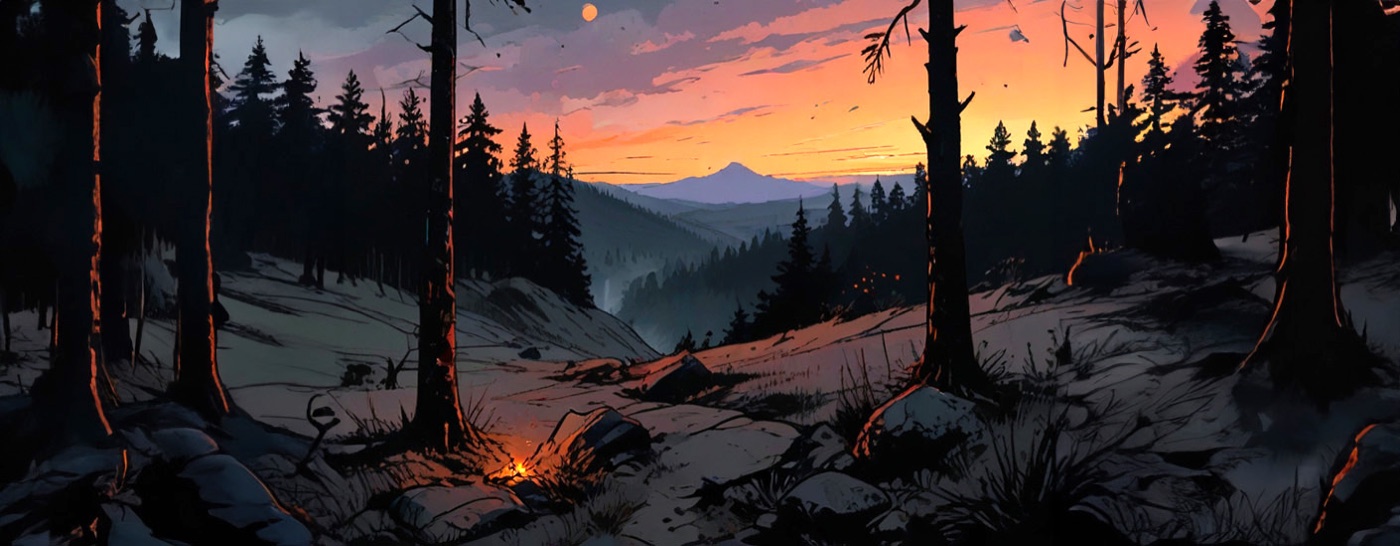
A place of great pagan significance. A mountain shrouded in legend, believed to be the dwelling of powerful spirits. Players explore its rugged terrain, uncover hidden shrines and take part in ceremonies of the old beliefs. Here you meet Princess Wanda.
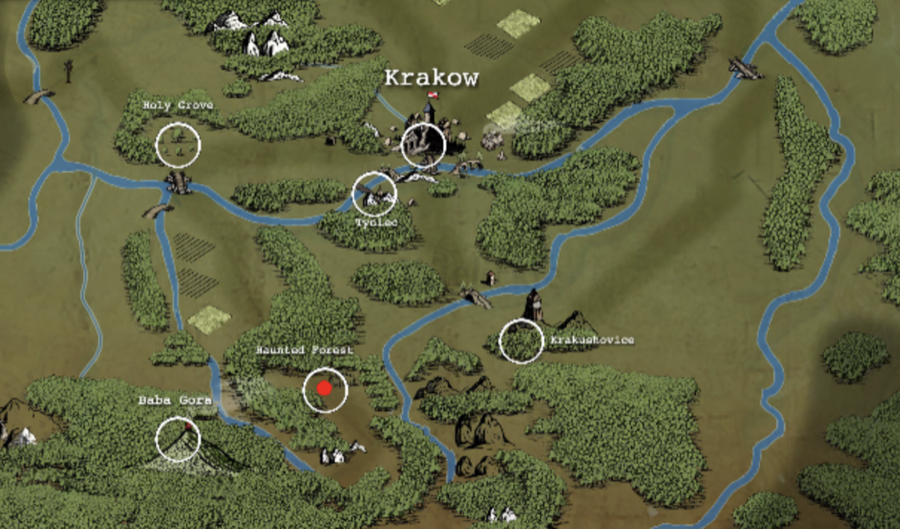
A dark and eerie place of twisted trees. Home to the Harridan, known for her mysterious past. The forest hides dangers and ancient curses, but rewards the brave.
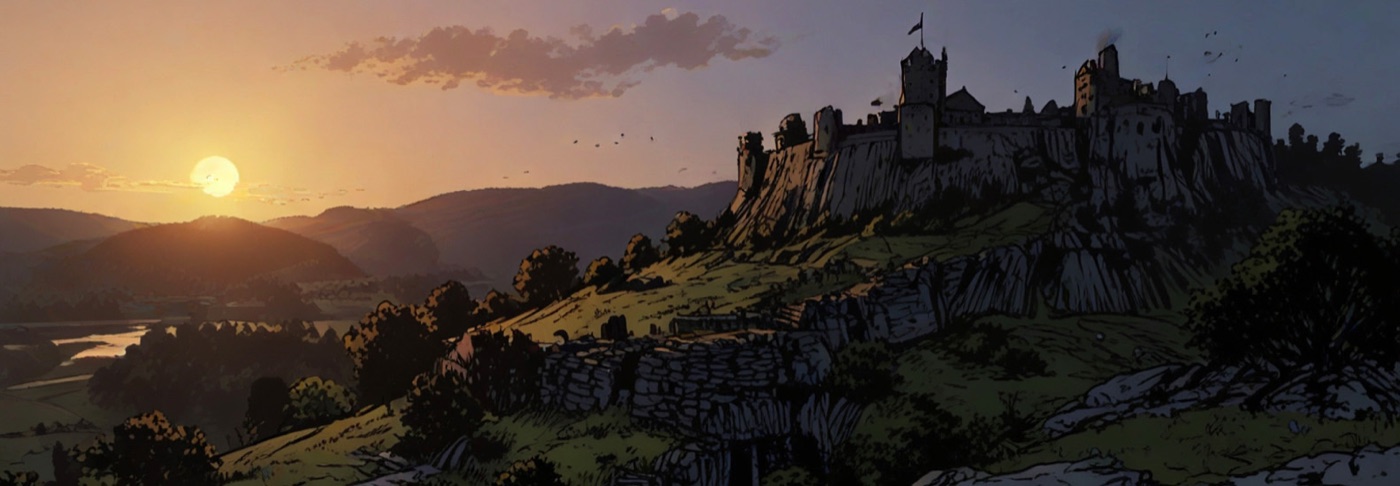
The historic hill in Kraków, seat of King Krak. The central hub of the game: quests, stalls and meetings with the most important characters.
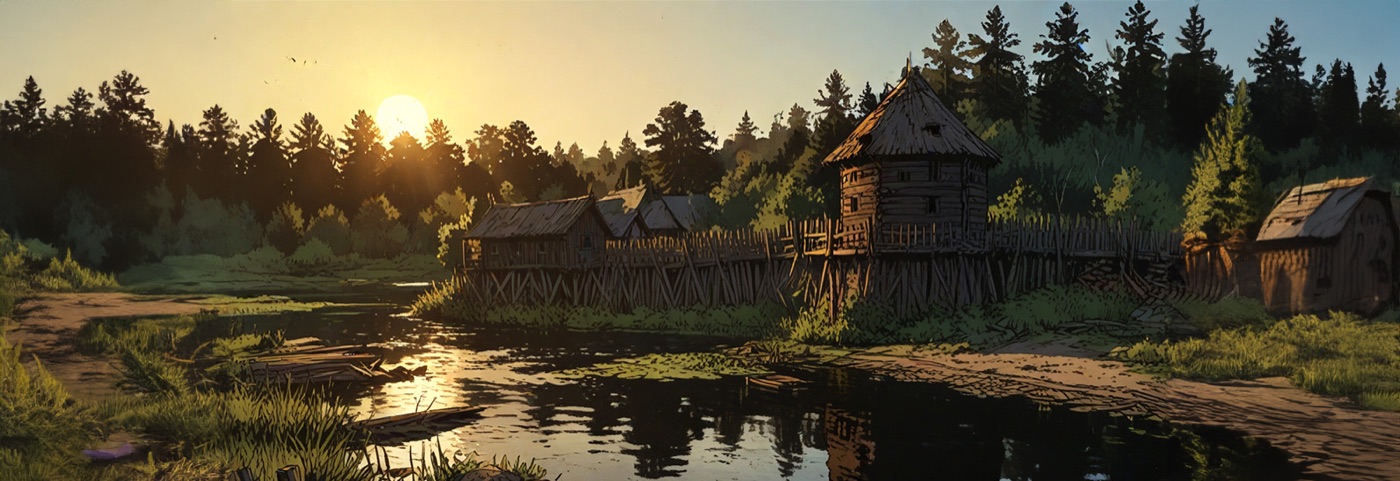
A small yet significant stronghold of the Vistulans. A place of trade and old mysteries, full of lore and hidden secrets for those who love to explore.
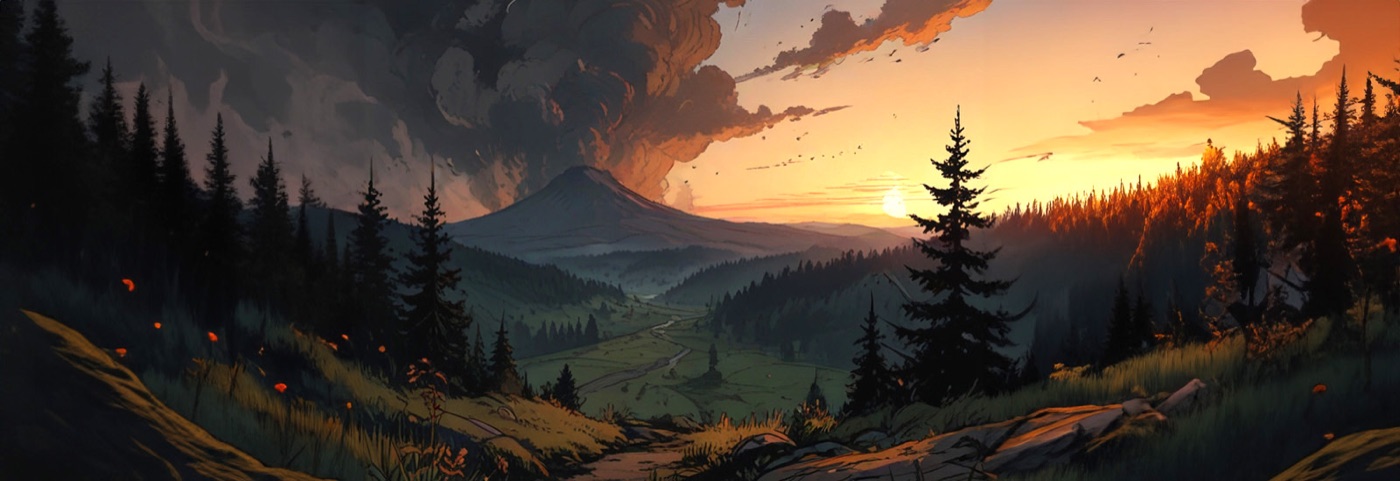
Bald Mountain, the holy peak of the Holy Cross Mountains. A place of pilgrimage where old beliefs meet new. Its serene setting and sacred sites make it a unique destination.
Characters
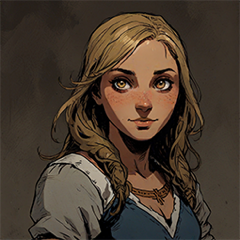 Princess Wanda The King’s daughter
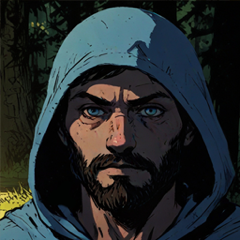 Treekin Guardian of the forest
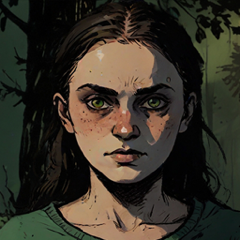 Harridan Warrior with a mysterious past
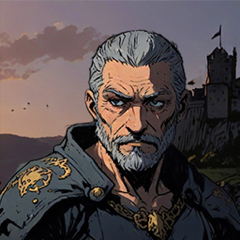 King Krak Ruler of the kingdom
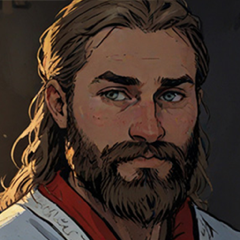 Lech II Noble knight
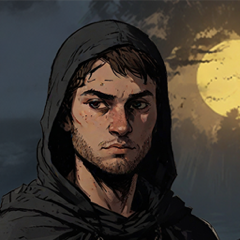 Krak II The King’s son
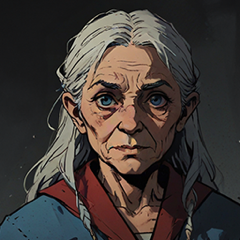 Prophetess The gift of foresight
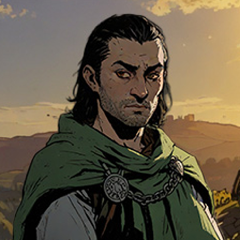 Warlord from Stradów Tactical genius
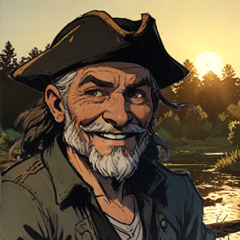 Old Raftsman Navigator of the rivers
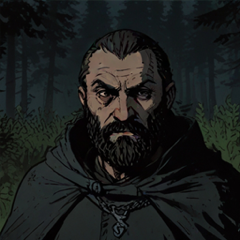 Leshy Forest spirit
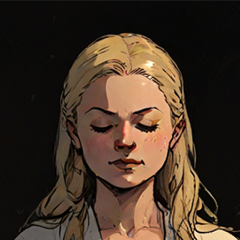 Lada Maiden Beauty and love
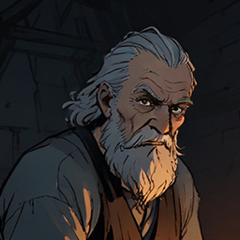 Lechitic Seer Keeper of traditions